

+8801941-412970


E-commerce has rapidly evolved from being a convenience to becoming the backbone of global trade. In 2025, online shopping is no longer just about purchasing products—it’s about creating a seamless, personalized, and immersive customer experience. From artificial intelligence to same-day delivery, the e-commerce landscape is filled with innovations that are redefining the way businesses connect with consumers.
In this blog, we will explore the future of e-commerce, discuss its benefits, examine the latest trends, and provide insights into how businesses can thrive in this competitive digital marketplace.
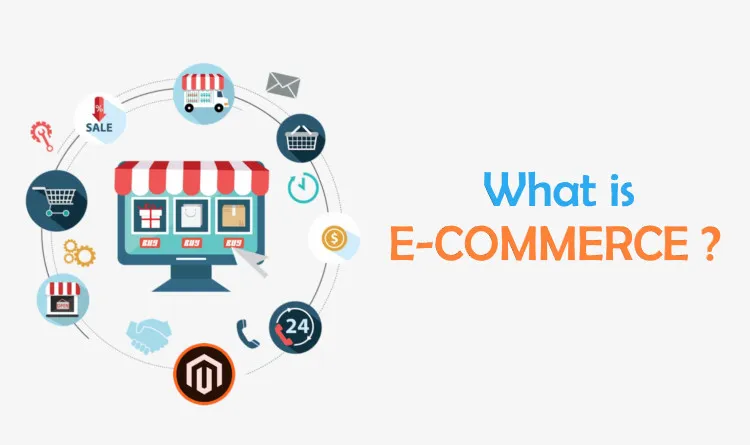
E-commerce, short for electronic commerce, refers to the buying and selling of goods or services using the internet. Transactions can happen through websites, mobile apps, or social media platforms. Over the years, it has expanded beyond simple online stores into an interconnected ecosystem that includes digital payments, virtual shopping assistants, and even augmented reality experiences.
Types of e-commerce include:
B2C (Business-to-Consumer): Online retail stores selling directly to customers (e.g., Amazon, Zara).
B2B (Business-to-Business): Companies selling products/services to other businesses (e.g., Alibaba, Shopify Plus).
C2C (Consumer-to-Consumer): Peer-to-peer platforms like eBay or Facebook Marketplace.
D2C (Direct-to-Consumer): Brands selling directly to customers without middlemen.
The e-commerce boom is driven by several factors:
Global Internet Penetration: With over 5 billion people connected online, digital access is more widespread than ever.
Mobile Commerce: Smartphones have become the primary device for online shopping.
Convenience: 24/7 availability, fast delivery, and easy returns make online shopping irresistible.
Pandemic Acceleration: COVID-19 fundamentally changed consumer behavior, pushing businesses online.
Technology Integration: AI, chatbots, AR/VR, and blockchain are making shopping safer and smarter.
Staying updated with e-commerce trends is essential for growth. Here are the most impactful trends shaping 2025:
AI-driven recommendations help businesses deliver personalized shopping experiences. From suggesting products based on browsing history to AI chatbots handling customer service, personalization increases conversion rates.
Smart speakers like Alexa and Google Home are enabling hands-free shopping. By 2025, millions of consumers are using voice commands to reorder groceries, book services, and purchase everyday products.
AR technology lets customers “try before they buy.” For example, furniture retailers allow customers to visualize how a sofa looks in their living room. This reduces returns and builds customer confidence.
Social media platforms like Instagram, TikTok, and Facebook have integrated shopping features, allowing users to purchase without leaving the app. Influencer marketing has become a powerful driver of sales.
Eco-conscious consumers demand sustainable products and packaging. Brands adopting ethical sourcing, recyclable materials, and carbon-neutral shipping gain customer trust.
Subscription boxes for beauty, food, and lifestyle products are trending. Customers enjoy convenience, while businesses gain recurring revenue.
Logistics companies are testing drone deliveries and automated warehouses. Same-day or even two-hour delivery is becoming the new standard.
E-commerce offers numerous advantages that traditional retail cannot match:
Global Reach: Businesses can target international customers without physical stores.
Lower Costs: No need for expensive retail spaces.
Data-Driven Insights: Analytics help track customer behavior and optimize marketing.
Scalability: Online stores can handle large order volumes without major infrastructure investments.
Customer Engagement: Brands can connect directly through personalized emails, social media, and mobile apps.
While opportunities are vast, businesses also face challenges:
High Competition: Standing out in a crowded market requires strong branding and SEO.
Cybersecurity Risks: Online fraud, data breaches, and payment scams threaten businesses.
Logistics Issues: Delays in delivery or inventory mismanagement can affect customer trust.
Customer Retention: Gaining repeat customers is more difficult than acquiring one-time buyers.
Businesses must address these challenges with the right strategies.
Search Engine Optimization (SEO) is critical for driving traffic to e-commerce websites. Here are proven tactics:
Keyword Research: Target product-related keywords with high search volume.
Product Descriptions: Write unique, keyword-rich, and persuasive descriptions.
Mobile Optimization: Ensure fast, mobile-friendly websites.
User Experience (UX): Simple navigation, clear product images, and easy checkout increase sales.
Content Marketing: Blogs, videos, and guides attract organic traffic.
Technical SEO: Optimize site speed, fix broken links, and use structured data for rich snippets.
Local SEO: Use Google Business Profile for nearby customers.
Choosing the right platform is key. Some popular e-commerce platforms include:
Shopify: User-friendly with strong integrations.
WooCommerce: Flexible for WordPress users.
BigCommerce: Scalable solution for growing businesses.
Magento (Adobe Commerce): Powerful for large enterprises.
Wix eCommerce: Ideal for small businesses and startups.
E-commerce is moving towards hyper-personalization, immersive experiences, and AI-driven automation. By 2030, we may see virtual reality shopping malls, advanced blockchain-based payment systems, and fully automated warehouses.
Businesses that adapt to changing technology and focus on customer satisfaction will thrive, while those resistant to innovation may struggle.
E-commerce in 2025 is more than just online shopping—it is a digital revolution that blends technology, convenience, and personalization. From AI-powered recommendations to sustainable shopping, businesses that embrace these changes will not only survive but also thrive in this competitive marketplace.
If you are planning to start or scale an e-commerce business, focus on SEO, customer experience, and technology adoption. The future of commerce is online, and the time to act is now.